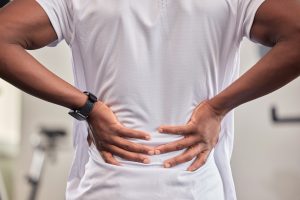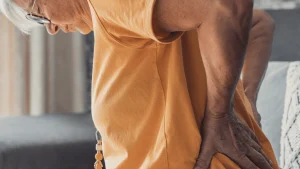
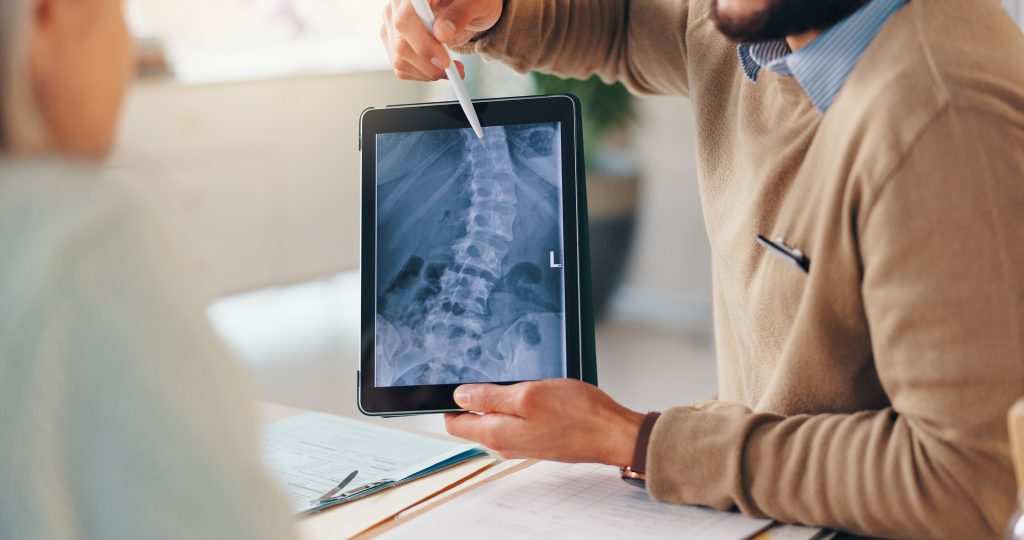
Opioids do not have to be the starting point for pain treatment, and for many patients they should not be. Back pain, neck pain, joint pain, and nerve-related symptoms usually need a clear diagnosis first. Medication matters, but it works best once the source of the pain is understood.
At Comprehensive Pain Solutions of New Jersey, we start by looking at where the pain begins, where it travels, what you have already tried, and whether imaging or a procedure makes sense. Low back pain that stays in one spot calls for a different review than pain that shoots down the leg with numbness, tingling, or weakness.
The aim is not to avoid medication at all costs. The aim is to match the treatment to the actual problem.
Why Non-Opioid Pain Management Comes Up First
For subacute and chronic pain, the CDC points to a multidisciplinary, non-opioid approach first to manage pain, addressing the physical, emotional, and psychological sides of ongoing symptoms. Its four main pillars are medications, physical therapies, mind-body techniques, and interventional procedures, chosen to support diagnosis-specific pain relief. Opioids still have a place in specific situations, but for chronic, non-cancer pain they are generally avoided because addiction and accidental overdose risks are high, and long-term benefit is not well established.
Most pain has more than one cause. A patient may have spine arthritis, disc changes, tight muscles, and irritated nerves all at once. A good pain management visit usually starts with a detailed history, not a single prescription.
What a Pain Doctor Reviews First
A useful evaluation looks past the pain score. The pattern often tells us more than the number.
Pain that runs from the low back into the buttock, thigh, calf, or foot can point to nerve pain, also called neuropathic pain, from a nerve problem such as sciatica or lumbar radiculopathy, and similar symptoms can also occur with diabetes, shingles, or multiple sclerosis. Neck pain that spreads into the shoulder, arm, or hand may also signal nerve irritation. Joint pain that flares with certain movements can come from arthritis, inflammation, injury, or strain, and common causes of pain also include injuries, infections, and nerve damage that can lead to back pain or joint pain.
Your treatment history matters too. Reviewing your medical history helps connect current symptoms with past health conditions. If physical therapy, chiropractic care, medication, or home exercises have not changed the pattern, the next step often involves imaging, targeted injections, or a closer spine evaluation.
Interventional Chronic Pain Management Options
Interventional pain management offers targeted procedures that provide alternatives to relying solely on oral medications. These techniques are designed to address specific sources of pain based on an accurate diagnosis, helping to reduce symptoms and improve function.
Common interventional options include:
- Epidural steroid injections, often used when symptoms indicate inflamed spinal nerves.
- Facet joint injections, which target the small joints in the spine responsible for neck or back pain.
- Medial branch blocks, diagnostic and therapeutic injections for facet joint pain.
- Radiofrequency ablation, a procedure that uses heat to disrupt pain signals from selected nerves, typically recommended after diagnostic blocks confirm suitability.
- Sacroiliac joint injections, aimed at relieving pain originating from the sacroiliac joint.
- Trigger point injections, targeting specific muscle knots causing localized pain.
- Joint injections, used to reduce inflammation and pain in affected joints.
Each of these procedures is tailored to particular conditions. For example, a herniated disc pressing on a nerve root requires a different treatment approach than arthritis-related facet joint pain.
Choosing the right interventional pain management technique depends on a thorough evaluation of your symptoms and diagnostic findings. When combined with other non-opioid strategies, these procedures can play a crucial role in reducing pain and improving quality of life.
Physical Therapy, Movement, and Daily Habits for Pain Relief
Physical therapy remains a core component of care for back, neck, and joint pain. A well-designed plan focuses on building strength, increasing movement tolerance, improving posture, and promoting safer body mechanics. Therapists often use manual therapy and targeted stretches to enhance flexibility and manage pain, especially for hip and knee issues. Some patients benefit from starting therapy immediately, while others engage more effectively after a targeted procedure reduces their pain. Low-impact exercise helps reduce pain by releasing endorphins, boosting blood flow, and easing joint stiffness.
Daily Habits and Mind-Body Techniques
Daily habits significantly influence symptoms. Lifestyle changes such as maintaining a healthy weight, eating nutritious foods, staying hydrated, getting quality sleep, and managing stress contribute to pain relief. Factors like long drives, poor desk posture, trouble sleeping, weight fluctuations, and repetitive lifting affect how pain manifests and often guide recovery efforts. Mindfulness, deep breathing, biofeedback, and meditation calm the nervous system, support stress control, and reduce muscle tension.
Talk with your physician before changing medication timing. Some medications affect sleep. Others work best at a set time. Guessing is risky, especially when several prescriptions are involved.
At-Home and Complementary Therapies
- Heat therapy increases blood flow and relaxes tight muscles.
- Cold therapy numbs pain and reduces swelling.
- Massage therapy improves circulation and relieves localized muscle tension.
These alternative treatments may provide additional benefits when combined with standard care.
When Pain Management Should Include a Spine Review
Some patients need more than pain management on its own. A spine consultation can make sense when pain persists after several rounds of conservative care, when imaging shows a structural problem that matches the symptoms, or when nerve symptoms get worse.
A spine review does not mean surgery is decided. It means the situation deserves a fuller look. At CPS of NJ, our pain and spine teams work side by side, and patients often work closely with a broader healthcare team on a personalized treatment plan. That broader approach may also include psychotherapy such as CBT to help manage chronic pain. The right starting point depends on the diagnosis, the symptoms, and what has already been tried, and when pain persists, combining non-opioid pain relievers with other therapies such as stress management can support quality of life.
When to Schedule a Pain Management Specialist Consultation
Pain deserves a medical review when it limits walking, sleep, work, driving, or daily routine. It also deserves attention when it travels into an arm or leg, brings numbness or tingling, or returns every time you become more active. Mild injury-related discomfort may sometimes improve with home care such as the RICE method: rest, ice, compression, and elevation.
A consultation gives you a clearer picture of where the pain comes from and which options fit your situation. Non-opioid pain medicine for mild-to-moderate pain may include acetaminophen or nonsteroidal anti inflammatory drugs. Long-term use can raise the risk of stomach ulcers and kidney damage. Some treatment options also include acupuncture, which uses micro-needles to stimulate the central nervous system and help relieve pain in some chronic conditions. You can read more about chronic pain through MedlinePlus and the NINDS before your visit.
Ready to look at your options? Request an appointment with Comprehensive Pain Solutions of New Jersey to discuss non-opioid pain management for back, neck, joint, or nerve-related pain.