
What Is Spine-Focused Neurosurgery?
Neurosurgery is the medical specialty concerned with conditions affecting the nervous system, including the brain, spinal cord, and nerves. At Comprehensive Pain Solutions, neurosurgical care focuses specifically on the spine, spinal cord, and spinal nerves.
The spine protects the spinal cord and creates pathways for nerves that control strength, sensation, movement, and coordination. When a disc, bone spur, narrowed spinal canal, unstable segment, or other structural problem places pressure on these structures, symptoms may include pain, numbness, weakness, loss of dexterity, balance changes, or difficulty walking.
Spine Neurosurgery Begins With a Complete Evaluation
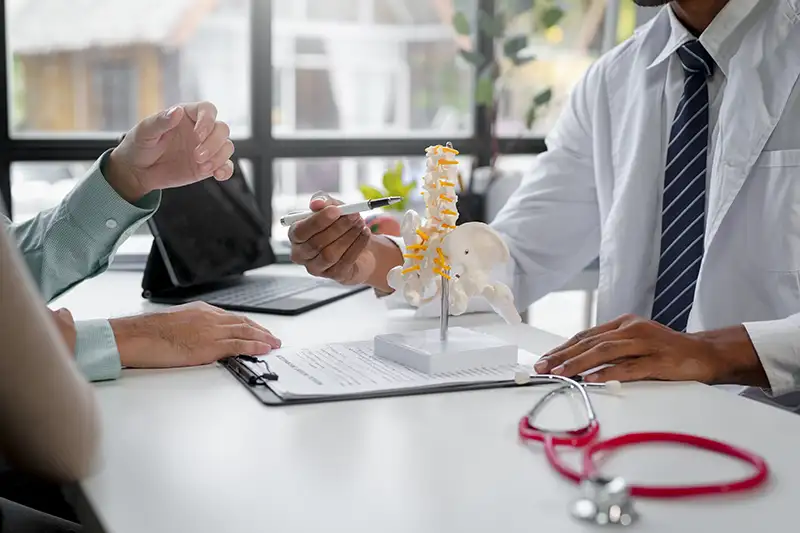
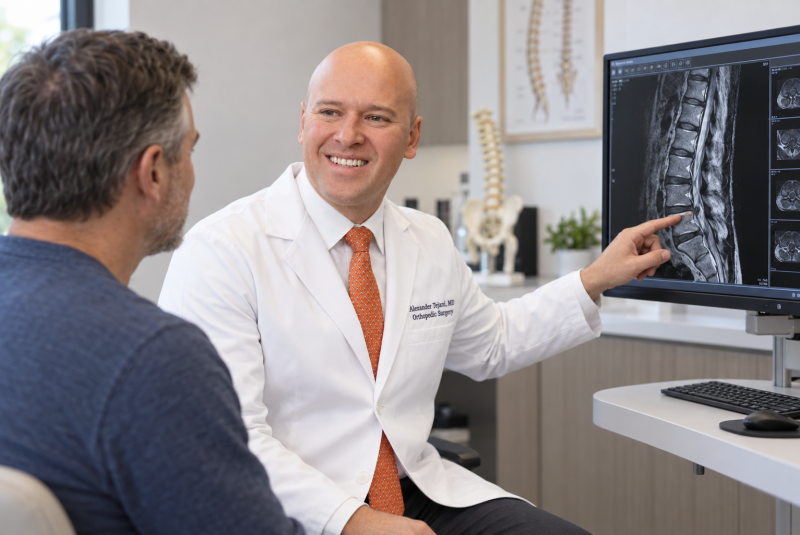
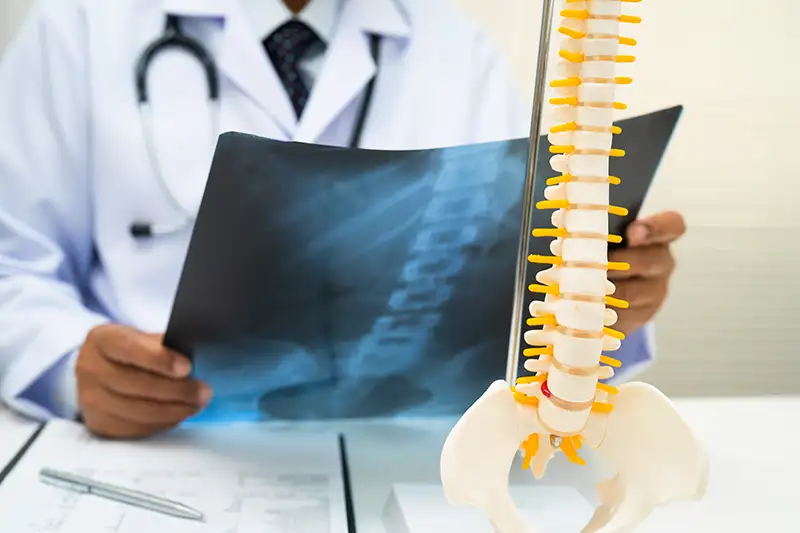
A spine neurosurgeon evaluates whether symptoms are coming from the nervous system and whether there is a structural problem that surgery can reasonably correct. An MRI finding alone does not make that determination. The imaging, symptoms, physical examination, progression, and response to prior care all need to make sense together.
Seeing a neurosurgeon does not commit a patient to surgery. Many consultations lead to continued non-surgical care, a targeted pain procedure, additional testing, or observation. Surgery becomes part of the discussion when there is a clearly defined problem and the expected benefit of correcting it outweighs the risks.
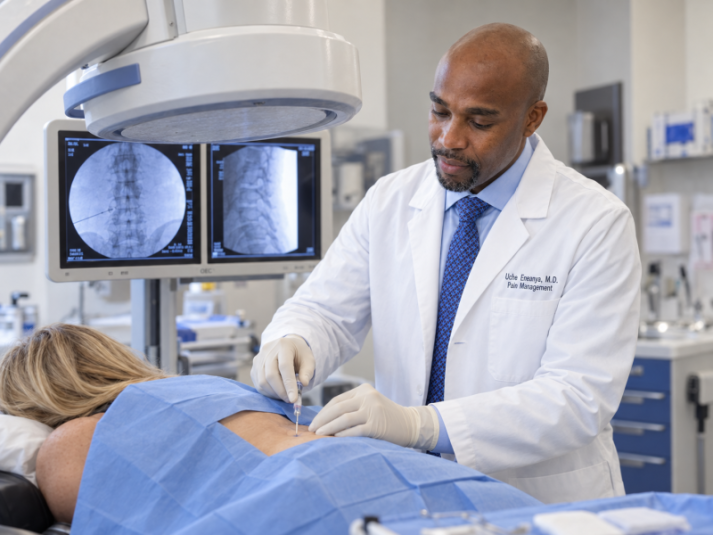
CPS brings neurosurgery, orthopedic spine care, and interventional pain management into the same continuum, allowing the treatment direction to follow the condition rather than a predetermined path.
When Should You See a Spine Neurosurgeon?

- Neck or back pain that continues despite physical therapy, medication, injections, or other care
- Pain traveling from the neck into the shoulder, arm, hand, or fingers
- Pain traveling from the lower back into the buttock, leg, foot, or toes
- Persistent numbness, tingling, burning, or altered sensation
- Weakness in an arm, hand, leg, or foot
- Difficulty walking, standing, or maintaining balance
- Loss of hand dexterity or trouble with buttons, writing, or other fine movements
- Symptoms that have continued or returned after previous spine surgery
- Imaging showing significant nerve or spinal cord compression
How Does a Neurosurgical Evaluation Guide Treatment?
- Decompression to create more room around a spinal nerve or the spinal cord
- Discectomy to remove disc material pressing on a nerve
- Laminectomy or related procedures to address narrowing within the spinal canal
- Fusion or stabilization when abnormal motion or instability contributes to the problem
- Motion-preserving treatment for carefully selected conditions
- Reconstruction or revision surgery for complex deformity or problems after a previous operation
Meet Our Spine Neurosurgeons

Comprehensive Pain Solutions’ patients have access to two neurosurgeons whose work is centered on spine surgery, nerve compression, complex spinal disorders, and careful surgical decision-making. Their experience supports both common spine procedures and advanced cases that require reconstruction or revision planning.
Our surgeons work with pain management and spine specialists so patients can be evaluated from surgical and non-surgical perspectives. If surgery does not fit the symptoms and findings, the patient can be directed toward another appropriate option. If surgery is warranted, the surgeon can explain the structural problem, the proposed procedure, reasonable alternatives, expected recovery, and important risks.
Patients with new or continued symptoms after an earlier operation may also benefit from a focused revision spine surgery evaluation. Previous imaging, updated imaging, operative reports, and the timing of symptoms help determine what has changed.
Schedule A Neurosurgical Consultation
Bring available imaging, radiology reports, a medication list, and information about treatments you have already tried. The goal is to identify the problem clearly and explain why surgery, continued non-surgical care, or another evaluation makes the most sense.
Request an appointment with Comprehensive Pain Solutions in New Jersey.
Frequently Asked Questions About Neurosurgery
Does seeing a neurosurgeon mean I need surgery?
No. A neurosurgical consultation is an evaluation, not a commitment to an operation. Some patients are advised to continue non-surgical care, undergo additional testing, or monitor their symptoms. Surgery is considered when there is a defined problem it can reasonably correct.
What conditions does a spine neurosurgeon treat?
Spine neurosurgeons evaluate conditions involving the spine, spinal cord, and spinal nerves. Common examples include herniated discs, spinal stenosis, radiculopathy, spinal cord compression, degenerative disorders, instability, deformity, and continued symptoms following previous spine surgery.
What is the difference between a neurosurgeon and an orthopedic spine surgeon?
Neurosurgeons begin with training in the nervous system, while orthopedic surgeons begin with training in the musculoskeletal system. Both may complete extensive spine-surgery training and perform many of the same procedures. The surgeon’s experience with the specific condition is often more important than the title alone.
Should I see a neurosurgeon for back or neck pain?
Not every case of back or neck pain requires a neurosurgeon. A consultation becomes more appropriate when pain persists despite treatment, travels into an arm or leg, occurs with numbness or weakness, or imaging shows a structural problem affecting a nerve or the spinal cord.
Should I bring my MRI to the appointment?
Yes. Bring the actual MRI images and the written report whenever possible, along with other available CT scans, X-rays, procedure notes, or surgical records. The images allow the neurosurgeon to compare the findings directly with the symptoms and examination.
Can a neurosurgeon treat sciatica?
Yes, when sciatica is caused by compression or irritation of a lumbar nerve. Many cases improve without surgery. A neurosurgeon can determine whether continued non-surgical care, a targeted pain procedure, or surgical decompression is appropriate.
When are neurological spine symptoms an emergency?
Sudden or rapidly worsening weakness, loss of bowel or bladder control, numbness around the groin or saddle area, or a severe new change in walking, balance, or coordination requires prompt medical evaluation and should not wait for a routine appointment.