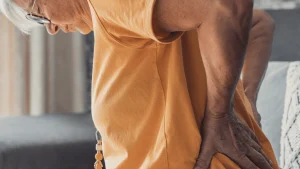

Back pain tends to raise one fear right away: will this mean surgery? For most people, the honest answer is no, at least not as a first step.
Many patients with back pain start with nonsurgical care, especially when symptoms have not caused serious nerve changes or loss of function. The more useful questions are what kind of back pain you have, what you have already tried, and whether your symptoms line up with what imaging shows.
The American Association of Neurological Surgeons notes that conservative options for low back pain can include physical therapy, targeted exercises, weight management, steroid injections, anti-inflammatory medication, acupuncture, and rehabilitation. Many physicians suggest several weeks of conservative treatment before surgery enters the conversation.
Back Pain Needs a Source, Not a Guess
Low back pain can be acute pain that settles as you heal or chronic pain that lasts for months or years, and it may come from muscles, discs, joints, nerves, arthritis, spinal stenosis, the sacroiliac joint, or a mix of these. A dull ache across the low back calls for a different review than pain that shoots into the leg. Pain may also stem from injuries, infections, arthritis, or nerve damage and show up as back pain or neuropathic pain.
So treatment starts with the pattern. Where does the pain begin? Does it travel? What makes it worse? Do sitting, standing, walking, or lying down change it? Have numbness, tingling, or weakness shown up? That kind of symptom pattern can point to nerve pain, which may feel tingling, burning, or shooting and can stem from diabetes, shingles, or multiple sclerosis.
These answers help a pain management specialist decide what comes next: therapy, a medication review, injections, imaging, or a spine consultation. That review also helps build a personalized treatment plan based on symptoms, health conditions, and medical history.
Physical Therapy, Pain Relief, and Activity Changes
Physical therapy gives many patients a structured way to rebuild movement. It can be part of a broader plan for pain management or used as a specific treatment for an injury or health condition. A physical therapist may work on core strength, hip mobility, posture, lifting mechanics, pacing, manual therapy techniques, and targeted stretches to improve flexibility and relieve pain. Some people have stopped moving out of fear. Others keep pushing through pain and irritate the same area again and again. Low-impact exercise can reduce pain by releasing endorphins, improving blood flow, and easing stiffness in the body.
Activity changes are really lifestyle changes, not inactivity. Most back pain plans encourage safe movement when possible. Heat therapy and cold therapy are simple options for discomfort, with cold reducing swelling and heat relaxing muscles and increasing blood flow. The right level depends on the diagnosis, the severity, and whether nerve symptoms are present.
To help manage pain and support quality of life, consider these key lifestyle strategies:
- Maintain a healthy weight
- Sleep well and stay hydrated
- Eat nutritious foods
- Use stress management techniques such as mindfulness, deep breathing, biofeedback, or meditation to reduce muscle tension and calm the nervous system
A Medication Review, Not a Medication-Only Plan
Some patients use pain medicine as part of treatment, including over-the-counter anti-inflammatories as well as prescription medications that target pain pathways. Common non-opioid options include acetaminophen and nonsteroidal anti inflammatory drugs, and those choices should account for age, other conditions, current prescriptions, and risks such as stomach ulcers, kidney damage, or heart concerns with long term use. Opioids are generally avoided for long term pain because addiction and accidental overdose risks are high, and long-term benefit remains uncertain.
Medication alone rarely settles ongoing back pain. It should support, not replace, broader pain relief strategies that help patients manage pain over time. When symptoms keep returning, the source still needs a look. MedlinePlus offers a plain-language overview of common back pain treatments if you want to read more before an appointment.
Spine Injections and Interventional Procedures
- Epidural steroid injections, often used for pain that travels into the leg to reduce inflammation
- Facet joint injections, medial branch blocks, or radiofrequency ablation, suited for arthritis-related spine pain
- Other minimally invasive treatments such as nerve blocks and spinal cord stimulators
The goal is precision. A targeted procedure should match the suspected source, but these procedures are often part of a multimodal, multidisciplinary plan because the most effective care addresses physical, emotional, and psychological factors together. For some patients, an injection lowers pain enough to return to therapy or normal activity, and one of the benefits of that broader plan is lower medication use across care.
Complementary and Alternative Treatments for Pain Relief
Complementary medicine and alternative treatments such as acupuncture and massage therapy may provide additional relief alongside traditional treatment. Acupuncture uses micro-needles to stimulate the central nervous system, while therapeutic massage can improve blood circulation and ease muscle tension. For others, if pain persists, the procedural response becomes useful information that helps guide the next step in care.
Talk with your physician before changing medication timing. Some medications affect sleep. Others work best at a set time. Guessing is risky, especially when several prescriptions are involved.
Imaging Review and When an MRI Helps
Not every episode of back pain needs an MRI right away. Imaging earns its place when symptoms persist, when nerve symptoms appear, when conservative care has not worked, or when the exam suggests a structural problem.
Findings still need context. Plenty of people show disc changes or arthritis on a scan without any pain from them. A pain doctor or spine specialist looks for the match between symptoms, exam, and imaging, not just the picture.
When Chronic Back Pain May Need a Spine Surgery Consultation
A spine surgery consultation does not mean surgery is already decided. It means your symptoms, imaging, and prior treatment deserve a surgical-level review by your healthcare team.
That review may make sense after therapy, chiropractic care, medication, or injections have fallen short. Patients may also need this step when chronic pain, nerve pain, or back pain relief has not improved with prior nonsurgical care. It may also fit when pain travels down the leg, when walking becomes harder, when weakness appears, or when imaging shows nerve compression such as a herniated disc or spinal stenosis that matches the symptoms.
At CPS of NJ, patients may enter through pain management or spine review, depending on what they have tried and what their symptoms suggest, and then work closely with the team on the next phase of care.
Getting the Right Review Before Symptoms Worsen
Back pain feels more frustrating when each treatment seems disconnected from the last. A clearer plan starts with one honest review of the pattern, the prior care, and any imaging. Pain management often combines medications, physical therapies, mind-body techniques, and interventional procedures.
You do not have to assume surgery is next. You also should not ignore symptoms that point toward nerve compression or a structural spine problem. The NINDS offers reliable background reading while you decide.
Psychotherapy, including cognitive behavioral therapy, may help some people with chronic pain by addressing thoughts and emotions that can intensify symptoms. Not sure what your next step should be? Request an appointment with Comprehensive Pain Solutions of New Jersey to talk through nonsurgical back pain treatment and whether imaging or a spine review belongs in your plan, so our team can treat patients with a personalized approach that supports quality of life, enjoying life, and a more fulfilling life.