What Is Orthopedic Surgery?
Orthopedic surgery focuses on conditions affecting joints, ligaments, tendons, and surrounding structures. These procedures are used when structural damage interferes with normal movement or continues to cause pain despite other forms of treatment.
Unlike spine surgery, which centers on nerve compression and spinal stability, orthopedic procedures address mechanical problems within specific joints. This may involve repairing torn tissue, stabilizing a joint, or removing damaged structures that limit function.
Common areas include the shoulder and knee, where repetitive use, injury, or degeneration can lead to changes that do not improve on their own.
The goal is not simply to reduce discomfort. It is to restore movement and function in a way that allows the joint to work more normally again.
Why Is Orthopedic Surgery Performed?
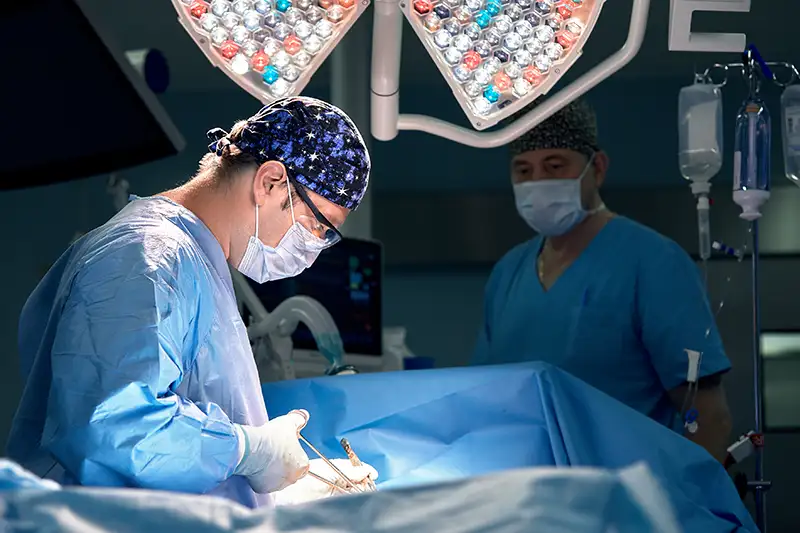
Orthopedic surgery is considered when a joint-related condition continues to affect movement or function despite appropriate non-surgical care.
Common reasons include:
- Tendon injuries, such as rotator cuff tears or chronic tendon damage
- Ligament instability, including ACL or other stabilizing structures
- Meniscus injuries, where cartilage damage affects knee movement
- Joint degeneration, where wear leads to reduced function or persistent discomfort
- Labral injuries, particularly in the shoulder, affecting stability and range of motion
In many cases, patients have already attempted physical therapy, activity modification, or injections before surgery becomes part of the conversation.
The decision is based on how the joint is functioning, not just how it feels.
How Is Orthopedic Surgery Performed?
Orthopedic procedures vary depending on the joint and the condition being treated, but most follow a similar approach.
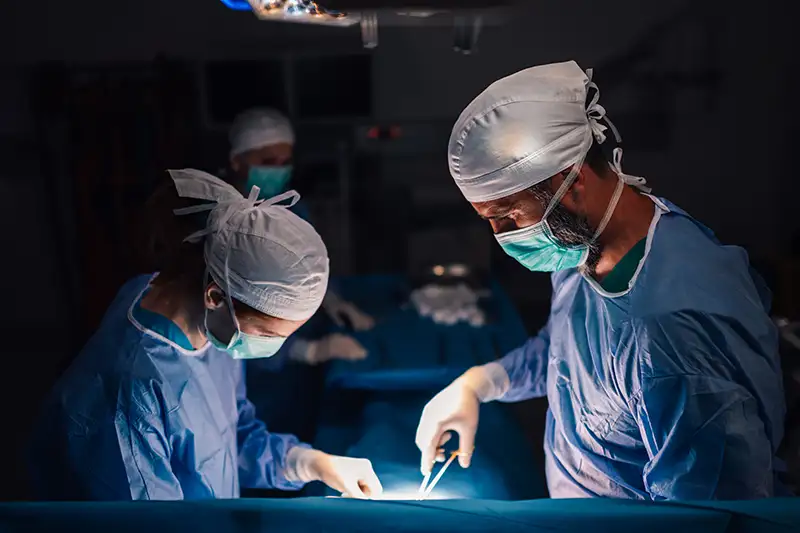
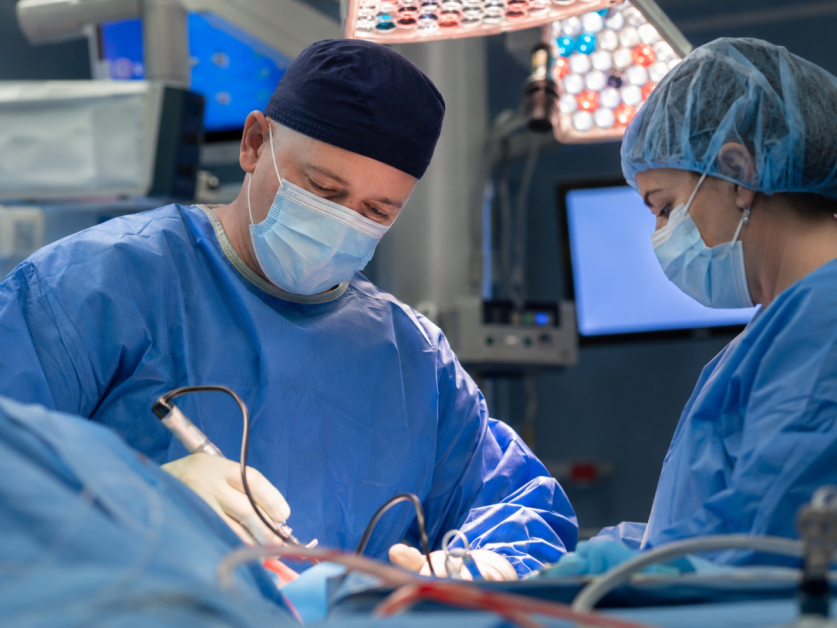
Whenever possible, minimally invasive techniques are used. These involve small incisions and specialized instruments to access the joint without disrupting surrounding tissue more than necessary.
Procedures may include:
- Repairing torn tendons or ligaments
- Removing or smoothing damaged cartilage
- Stabilizing joints that have become loose or misaligned
- Reconstructing structures that no longer function properly
Imaging and direct visualization guide each step, allowing the surgeon to address the problem with precision.
The approach is based on restoring function, not simply altering structure.
What To Expect After Orthopedic Surgery

Recovery follows a structured progression based on the joint involved and the type of procedure performed. The early phase focuses on protecting the repair while restoring controlled movement.
Most patients begin with:
- Guided movement within a defined range to prevent stiffness
- A physical therapy plan focused on restoring joint function
- Gradual reintroduction of weight-bearing or use, depending on the joint
As healing progresses, the emphasis shifts toward rebuilding strength and stability. Muscles around the joint must support movement again, especially after a period of limited use.
Some discomfort is expected early on, particularly when movement resumes. This typically improves as mobility increases and the joint begins to tolerate normal activity.
Recovery does not happen all at once. It develops in stages, with each phase building on the previous one. The goal is a return to consistent, functional movement that supports daily activity without the limitations that were present before surgery.
Frequently Asked Questions About Orthopedic Surgery
How do I know if my problem is orthopedic or spine-related?
The pattern of symptoms usually points in one direction. Joint-related issues tend to stay localized and worsen with specific movements, while spine-related problems often involve pain that travels, along with numbness or tingling.
We look at how your symptoms behave, how the joint moves on exam, and what imaging shows. In some cases, both the joint and the spine contribute, and the goal is to determine which one is actually driving the problem.
Is surgery always necessary for joint injuries?
Many joint conditions improve with physical therapy, activity changes, or targeted injections. Surgery becomes part of the discussion when those approaches no longer change the outcome and the joint continues to limit movement or function.
The decision is based on whether the issue is structural and whether correcting it would improve how the joint works.
How long does recovery take?
Recovery depends on the specific procedure and the demands placed on that joint afterward. Some patients return to light activity within a few weeks, while others require a longer period of rehabilitation.
What matters more than the timeline is the progression. Movement improves first, then strength, then stability. Each phase builds on the one before it.
Will I need physical therapy afterward?
In most cases, yes. Surgery addresses the structure of the joint, but therapy is what restores how it functions. Without rebuilding strength and control around the joint, recovery tends to stall.
The therapy plan is usually specific to the procedure and adjusted as you regain movement.
Can joint injuries return after surgery?
They can, depending on the original condition and how the joint is used afterward. Some procedures repair tissue, while others remove or stabilize damaged areas, so long-term outcomes vary.
Activity level, biomechanics, and overall joint health all play a role in how the joint holds up over time.
When should I consider surgery instead of continuing treatment?
That point usually comes after a few attempts at non-surgical care without meaningful change. If the joint still limits movement, interferes with daily activity, or continues to flare with normal use, it often means the issue is structural.
At that stage, the question shifts from how to manage it to whether correcting it will change the outcome.